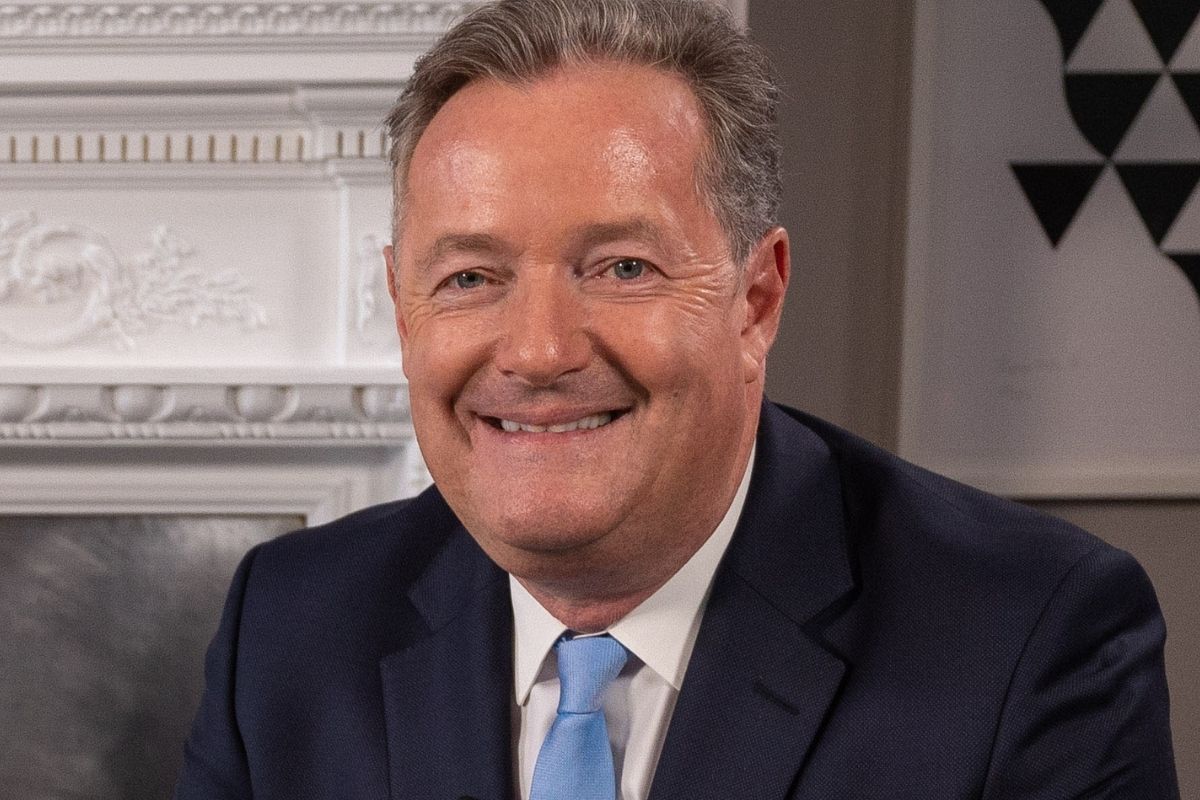
In an era where viral moments often eclipse traditional news cycles, the dramatic walk-off by veteran broadcaster Piers Morgan during a live interview with internet personality Harrison Sullivan, better known as HSTikkyTokky, has undeniably etched itself into recent media history. The explosive confrontation, which aired on Morgan's show, Piers Morgan Uncensored, on March 18, 2026, quickly became a trending topic across social media platforms, leaving audiences both stunned and captivated by the sheer intensity of the exchange. This incident not only highlighted the ever-blurring lines between established media and digital influencer culture but also sparked a wider debate about journalistic ethics, personal attacks, and the boundaries of live television.
The highly anticipated interview, which saw Hs Tikky Tokky Piers Morgan go head-to-head, spiraled into chaos, culminating in Morgan abruptly ending the broadcast. What began as a discussion about HSTikkyTokky’s controversial views quickly devolved into a series of unsubstantiated claims and highly personal attacks, pushing the limits of what even a seasoned interviewer like Morgan was willing to endure on his own show.
The Spark: Unpacking the "Manosphere" Comments and Homophobia Allegations
The genesis of the heated exchange lay in HSTikkyTokky's prior appearance on the Netflix documentary, Louis Theroux: Inside the Manosphere. During the documentary, Harrison Sullivan made a highly contentious statement, indicating he would "disown" his child if they were to come out as gay. These remarks immediately drew widespread criticism and resurfaced during his interview with Piers Morgan.
Morgan, known for his confrontational interviewing style, wasted no time in challenging HSTikkyTokky on these comments. He directly confronted Sullivan, labeling his stance as homophobic. The broadcaster's line of questioning aimed to hold the Kick streamer accountable for his public statements, probing the motivations and implications behind such an extreme position. This initial phase of the interview set a combative tone, as HSTikkyTokky expressed his discontent with Morgan's direct accusation.
For context, the "manosphere" is a collection of online communities and ideologies centered around masculinity, which often include views that are critical of feminism and, in some cases, express anti-LGBTQ+ sentiments. Morgan's decision to press HSTikkyTokky on his specific comments about disowning a gay child was a direct challenge to what many perceive as a regressive and harmful aspect of certain manosphere ideologies. It brought to the forefront the responsibility of public figures and content creators, particularly those with a significant online following, for the impact of their words on impressionable audiences.
Escalation: Epstein Accusations and the Battle of Reputations
As Piers Morgan continued to challenge HSTikkyTokky's stance on homophobia, the interview took an unexpected and explosive turn. Rather than directly addressing Morgan's questions with a defense or retraction, Sullivan launched into a counter-offensive, making serious and unsubstantiated claims against Morgan himself. At the 58-minute mark of the live stream, HSTikkyTokky accused Morgan of having visited Jeffrey Epstein's infamous island and engaging in "freak-offs" with Ghislaine Maxwell.
HSTikkyTokky declared, "I don't agree with you going to Epstein's Island and having freak-offs with Ghislaine Maxwell and the rest of them. I don't need to bring it up because this is about misogyny and everything like this. Okay? Okay? I don't agree with that, sir. Freak-offs on the Island. Are you sure? Are you sure, Piers?"
Morgan swiftly and emphatically refuted these allegations, stating unequivocally, "I'm a hundred percent positive - I never met the man, never went to his island, I met Ghislaine Maxwell for five minutes at a book launch." He accused HSTikkyTokky of "making himself look very stupid" by propagating such baseless claims. The back-and-forth escalated, with Sullivan pressing Morgan on why he was supposedly "in the files," to which Morgan retorted that the Kick streamer was "making himself look an even bigger idiot" than he did on the Netflix documentary.
This segment of the Hs Tikky Tokky Piers Morgan interview highlighted a common tactic in highly charged debates: when under pressure, individuals sometimes resort to personal attacks or wild accusations to deflect from the original topic. It underscores the importance of fact-checking and the potential damage of spreading misinformation, especially in a live broadcast with a wide audience. For anyone engaging in public discourse, especially those in media, it's crucial to distinguish between challenging viewpoints and disseminating unverified, defamatory information. The danger of such accusations, particularly those involving sensitive topics like the Epstein scandal, is immense, as they can cause irreparable harm to reputations regardless of their veracity.
The Breaking Point: Personal Attacks and the Uncensored Walkout
The interview, already teetering on the edge of decorum, plummeted into unprecedented territory when HSTikkyTokky crossed a line that Piers Morgan evidently found intolerable. At the one-hour-three-minute mark of the Kick livestream, Sullivan launched a highly personal and deeply defamatory attack against Morgan's wife, seemingly in an attempt to further provoke the broadcaster and derail the interview entirely.
HSTikkyTokky's comments were egregious: "You make yourself look like an idiot every single day, when your wife is at home, posting pictures that you're out and she wants to get used like a toy by a big Black man, who is cleaning her car. Is that why you have a problem with me? Is that why you are pushing this homophobic narrative? Because I'm the big Black man that sha**ed your wife, when you were on a holiday. Okay? We can all have push and the shove, sir. Let's go back to talking about the documentary, and less of the homophobia." As if to punctuate the attack, HSTikkyTokky then displayed a photo of Piers Morgan's wife on screen.
This was the ultimate breaking point. Morgan, visibly shocked and disgusted, immediately moved to terminate the broadcast. "Let's end this, please. You know what? I'm not doing this. Sorry, guys. This is pointless," he stated, before walking off the set of his own show. Harrison Sullivan responded with laughter, further escalating the sense of chaos and disrespect. His parting remarks, "Tell him to come back on, and we'll chill it out. It's like, stop pushing this homophobic bulls**t. If you want to look holier than thou, stop with that. Anyone can push it and shove. Tell him to come back on and tal...", were cut off as Morgan's team swiftly took action.
This incident vividly illustrates the critical importance of boundaries in media interviews. While robust questioning and challenging viewpoints are central to engaging journalism, personal attacks, especially those involving family members and unsubstantiated defamatory claims, are generally considered beyond the pale. For broadcasters, knowing when to draw the line and prioritize personal integrity over ratings or a prolonged spectacle is a tough but necessary decision. In this case, Morgan's walk-off sent a clear message that such tactics are unacceptable on his platform. This dramatic end to the HSTikkyTokky vs. Piers Morgan: Homophobia, Epstein, and The Walkout saga became an instant viral moment, prompting widespread discussion on social media about respect, debate, and the future of media interactions. The immediate aftermath saw widespread sharing of the clip, contributing to the narrative of The Viral Moment: Why Piers Morgan Rage-Quit During HSTikkyTokky Chat.
The Aftermath and Broader Implications for Digital Discourse
The fallout from the Hs Tikky Tokky Piers Morgan interview was immediate and far-reaching. Videos of Morgan "rage-quitting" his show proliferated across social media platforms, sparking intense debate. Public opinion was sharply divided: some applauded Morgan for refusing to tolerate personal attacks, viewing his walk-off as a principled stand against disrespect. Others criticized his decision, suggesting a seasoned interviewer should be able to handle any provocation, or that his initial line of questioning contributed to the escalation.
This incident offers several crucial insights into the evolving landscape of media and digital content creation. Firstly, it highlights the increasing challenge for traditional media outlets when engaging with figures from the "manosphere" or other internet subcultures, where conventional journalistic ethics and boundaries may not be recognized or respected. Influencers like HSTikkyTokky often thrive on controversy and shock value, which can be at odds with the structured environment of a television interview.
Secondly, it underscores the dangerous ease with which baseless, defamatory accusations can be made and amplified in the digital age. The claims made by HSTikkyTokky, particularly those regarding Epstein and Morgan's wife, were entirely unsubstantiated but nonetheless gained traction due to the sensational nature of the confrontation. This phenomenon calls for heightened media literacy among audiences and a greater sense of responsibility from content creators and platforms to curb the spread of misinformation and personal attacks.
Practical Tips for Navigating Heated Debates:
- Stick to the Facts: Always base your arguments on verifiable information and evidence, not hearsay or personal speculation.
- Maintain Composure: While challenging, reacting calmly to provocation can often de-escalate a situation and maintain your credibility.
- Know Your Boundaries: Be prepared to disengage or set limits if an opponent resorts to personal attacks, threats, or hate speech. Not every argument needs to be won at all costs.
- Focus on the Message: Redirect the conversation back to the core topic if it veers into irrelevant or inflammatory territory.
- Practice Empathy (Even with Opponents): Understanding the underlying motivations or grievances of an opponent, even if you disagree, can sometimes lead to more productive dialogue or help you anticipate their tactics.
Ultimately, the Hs Tikky Tokky Piers Morgan drama serves as a potent reminder of the volatile nature of live media in the internet age. It forces a conversation about the balance between free speech, journalistic integrity, and the responsibility to maintain a respectful and factual discourse, even when confronted with extreme views or personal provocation.
Conclusion
The Piers Morgan vs. HSTikkyTokky interview will be remembered not just for its viral explosion, but for the profound questions it raised about the state of modern media and public discourse. From challenging controversial "manosphere" views to battling baseless accusations and deeply personal attacks, the confrontation pushed boundaries in ways rarely seen on live television. Morgan's decision to walk off his own set was a stark demonstration of where he drew the line, highlighting the critical importance of integrity and respect in public debate. As digital influencers continue to gain prominence, and traditional media grapples with evolving forms of engagement, incidents like this offer valuable lessons on navigating the complex, often chaotic, intersection of these worlds. It serves as a powerful case study for audiences, content creators, and broadcasters alike on the power, pitfalls, and necessary parameters of uncensored conversation.